Best Puzzle Games Based on Probability
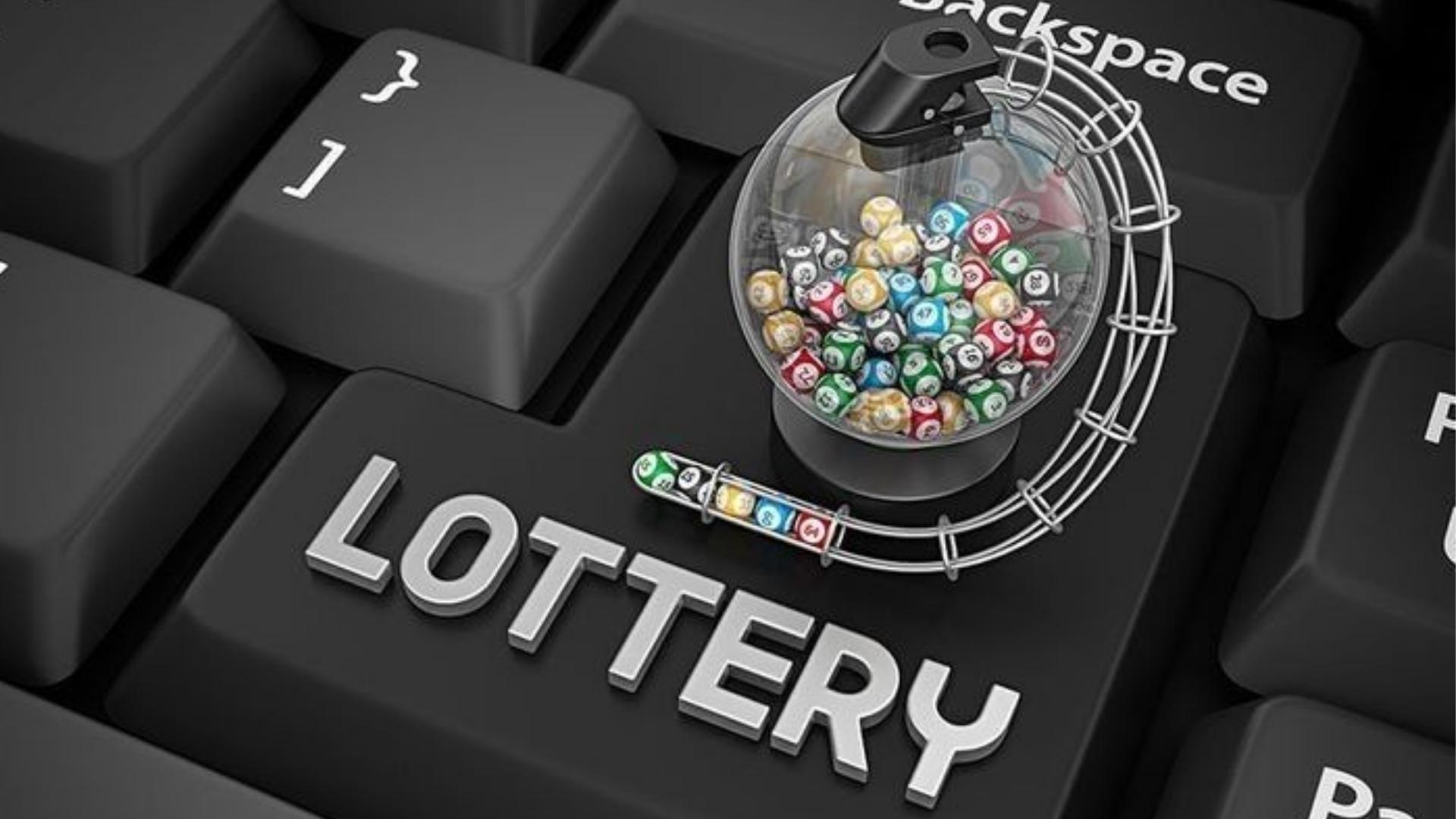
Puzzle games have long challenged our deterministic thinking by requiring strict logic and deduction to solve complex scenarios. However, adding an element of chance introduces an entirely new layer of excitement and strategic depth. The best puzzle games based on probability force players to weigh risks, calculate potential outcomes, and adapt to unpredictable environments on the fly.
The Unique Fusion of Logic and Chance
Traditional puzzles rely entirely on fixed outcomes where every move has a predictable result. By contrast, probability-focused puzzle games combine calculation with the unpredictability of random events. This blend ensures that no two playthroughs are exactly alike, providing high replay value for enthusiasts.
Players must shift their mindset from finding a single perfect answer to managing statistical likelihoods. Success requires estimating the odds of specific variables appearing and planning multiple steps ahead. This dynamic loop keeps the brain engaged far longer than standard mechanical puzzles.
Top Probability Puzzle Mechanics Explored
Many popular titles utilize hidden grids where players deduce the location of hazards based on numerical clues. Roguelike puzzle variants frequently use procedural generation to deliver random distributions of obstacles and rewards. These mechanics force players to constantly evaluate whether to take a risky shortcut or choose a safer route.
Understanding mathematical distribution becomes a major advantage when navigating these digital landscapes. For players seeking secure digital systems, discovering a reliable platform like m88 alternatif showcases how randomized mechanics operate in structured environments. Observing these fair systems helps individuals sharpen their real-world risk assessment and analytical thinking skills.
Cognitive Benefits of Playing Stochastic Puzzles
Engaging regularly with probability puzzles significantly sharpens critical decision-making abilities. It helps individuals overcome cognitive biases, such as the gambler's fallacy, by presenting mathematical realities. Players learn to accept short-term randomness while focusing on long-term strategic success.
These mental exercises also improve emotional resilience when facing unexpected setbacks during a challenging session. Adapting to an unfavorable random outcome teaches players how to optimize suboptimal situations. Consequently, these digital challenges serve as excellent tools for practical problem-solving development.
Finding Your Next Mathematical Challenge
Aspiring enthusiasts should seek out titles that explicitly show percentage chances or odds within their user interfaces. Starting with accessible dice-based or card-based mechanics allows beginners to practice counting variables without feeling overwhelmed. Over time, players can transition to complex procedural strategy games that demand advanced statistical reasoning.
Ultimately, the fusion of uncertainty and logic provides a deeply rewarding gameplay loop for all ages. Embracing the unpredictable nature of chance transforms ordinary gaming into a dynamic intellectual pursuit. Explore these engaging titles today to test the true limits of your strategic foresight.